How did a wading bird and a mythical horse become the two most famous shapes in summer? The story runs through suburban lawns, a Florida racetrack, a Las Vegas casino and, finally, the smartphone camera.
1957: the plastic lawn flamingo
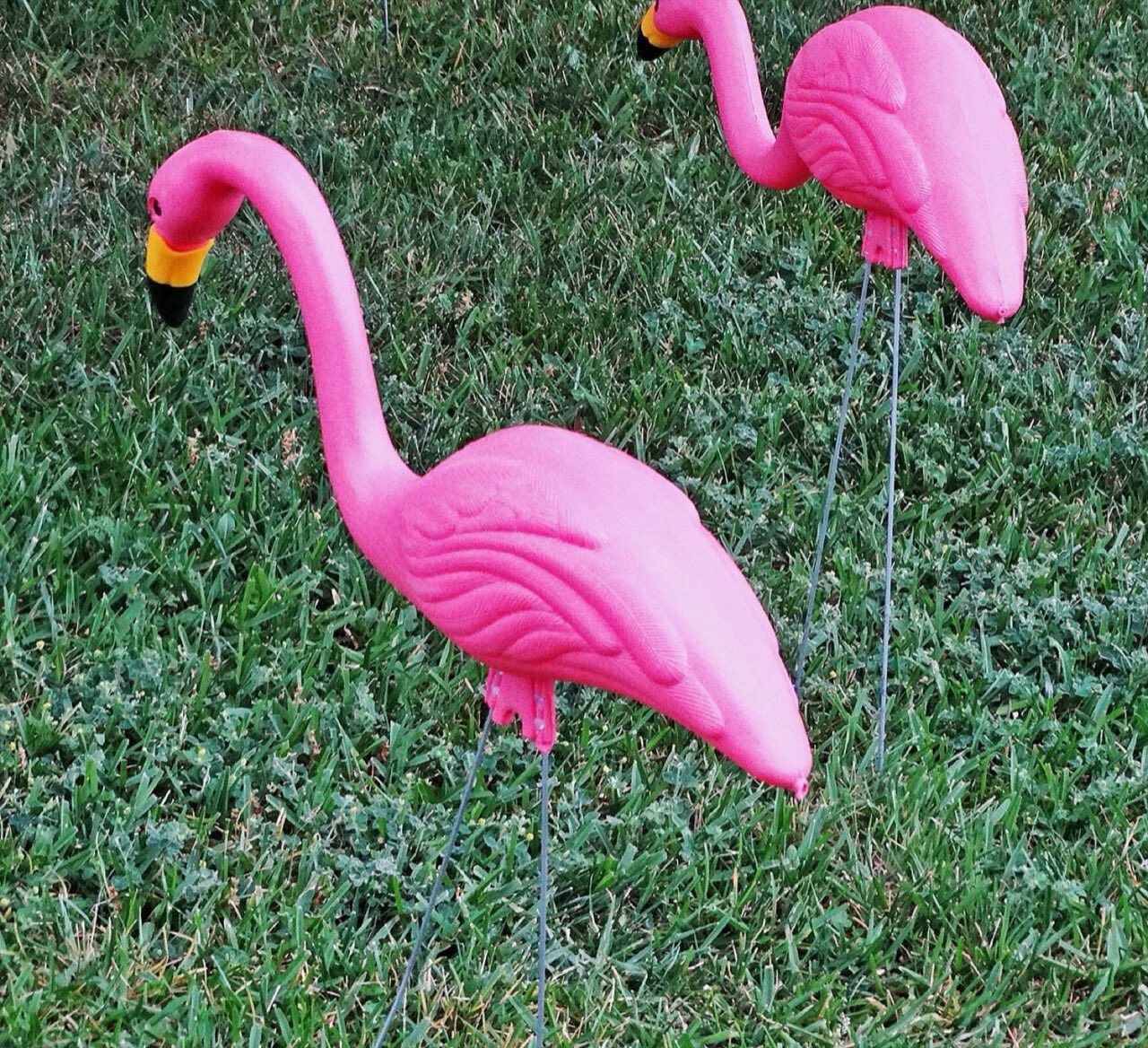
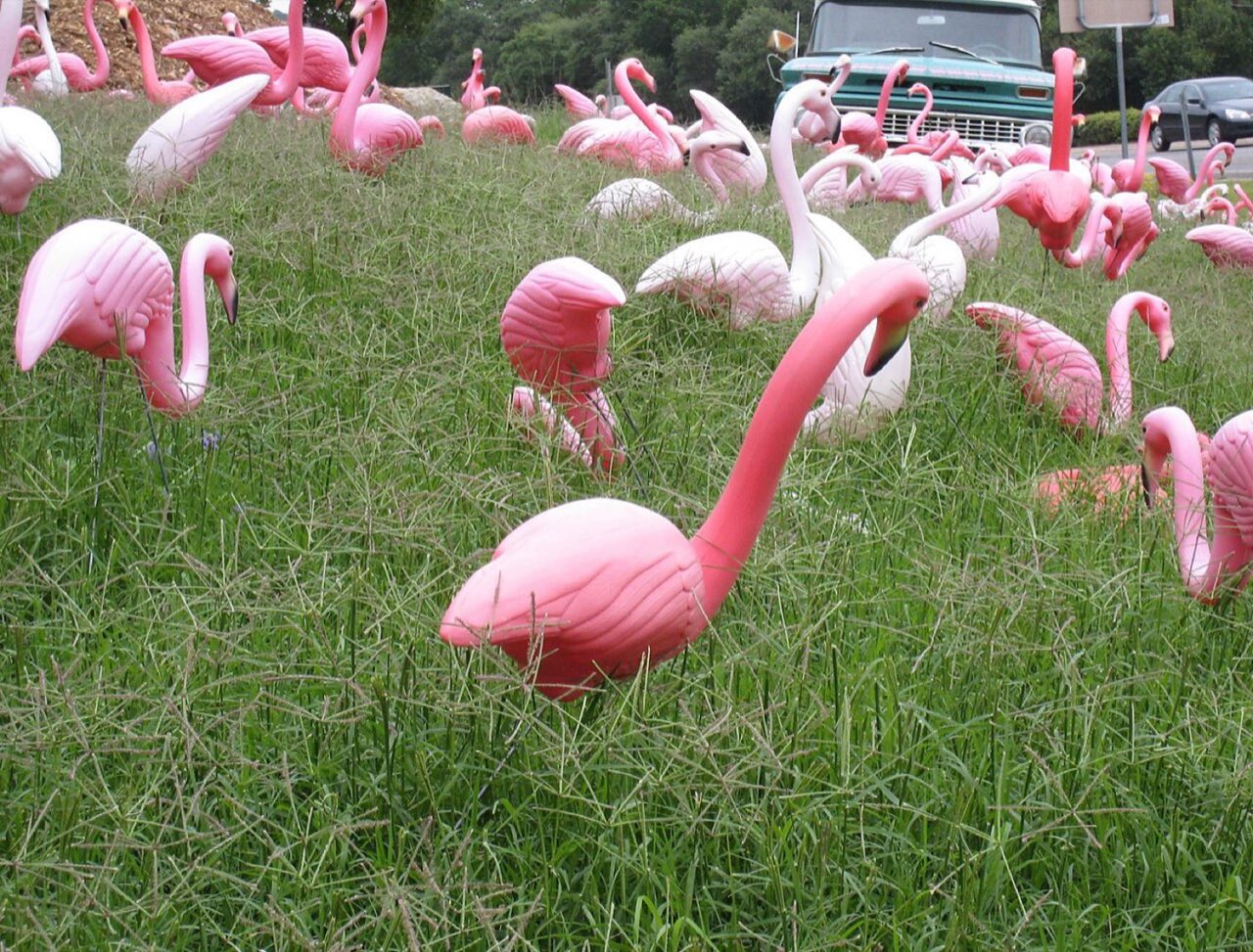
The modern flamingo craze has a clear starting point. In 1957 a young designer, Don Featherstone, sculpted a pink plastic flamingo for Union Products, a plastics company in Leominster, Massachusetts. Sold in pairs for front lawns, it became one of the best-known pieces of American kitsch, mocked, collected and loved in roughly equal measure. Featherstone's name was moulded into the plastic for years, and he was later awarded a spoof Ig Nobel Prize for the design. By the time inflatable flamingo floats appeared, the bird already meant "summer, suburbia and not taking things too seriously".
Florida, racetracks and living flamingos
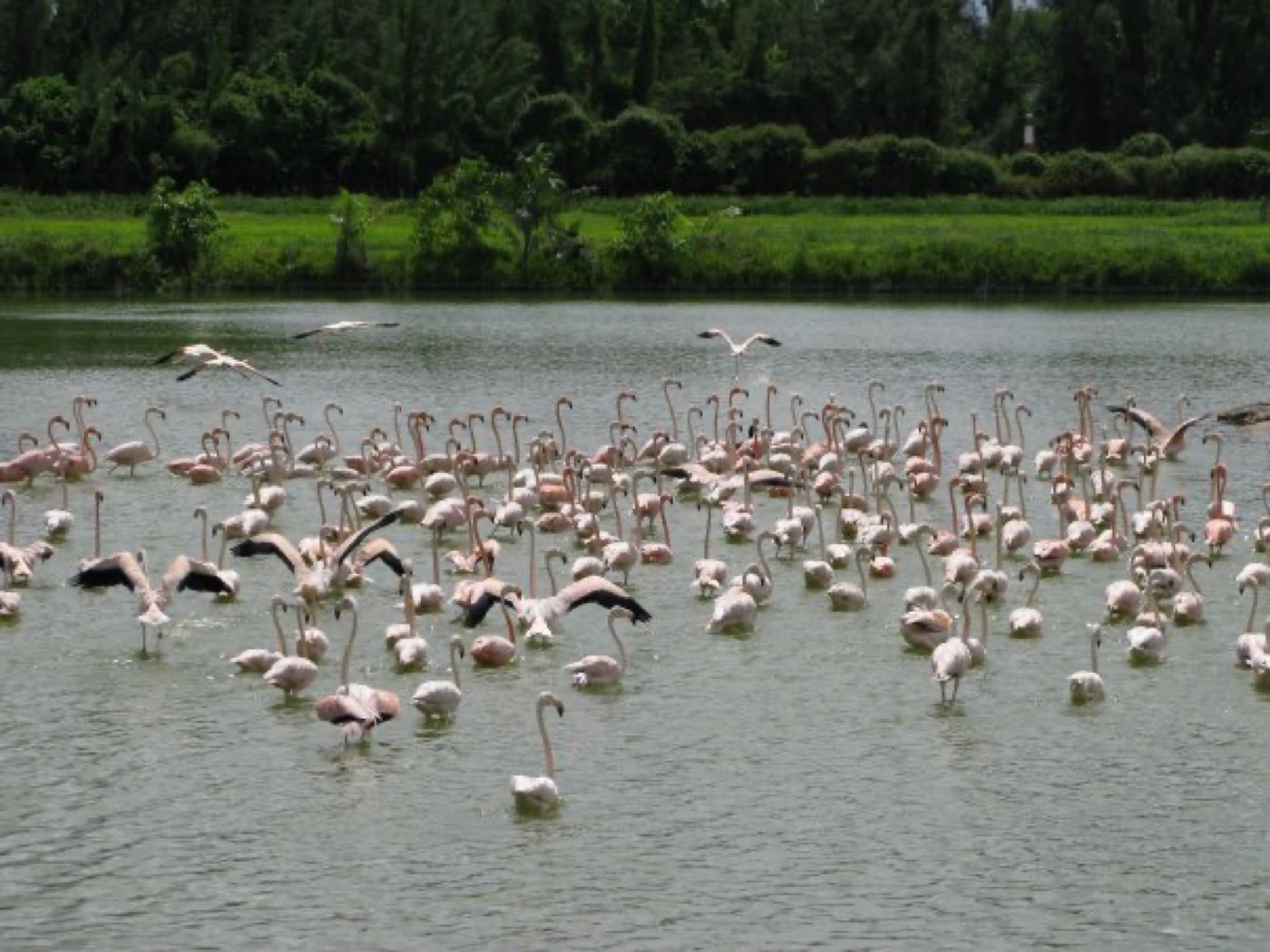
Long before plastic, real flamingos were part of Florida's holiday image. The most famous flock lives at Hialeah Park near Miami, a horse-racing track that opened in the 1920s. In the 1930s the track brought in flamingos to decorate the infield lake, and the birds settled and bred; the flock became so closely tied to the track that the National Audubon Society recognised Hialeah as a sanctuary for American flamingos. For decades the image of pink birds lifting off the infield while horses thundered past the grandstand was the picture of glamorous winter racing, and it made the flamingo a symbol of a day at the races as much as of the beach. Hialeah has had a turbulent history since, closing for racing in 2001 and reopening in 2009, and it now combines racing with a casino. Our guide to summer sports betting by the pool explains how racetrack pari-mutuel "pools" work, the original meaning of betting pools.
1946: the Flamingo comes to Las Vegas
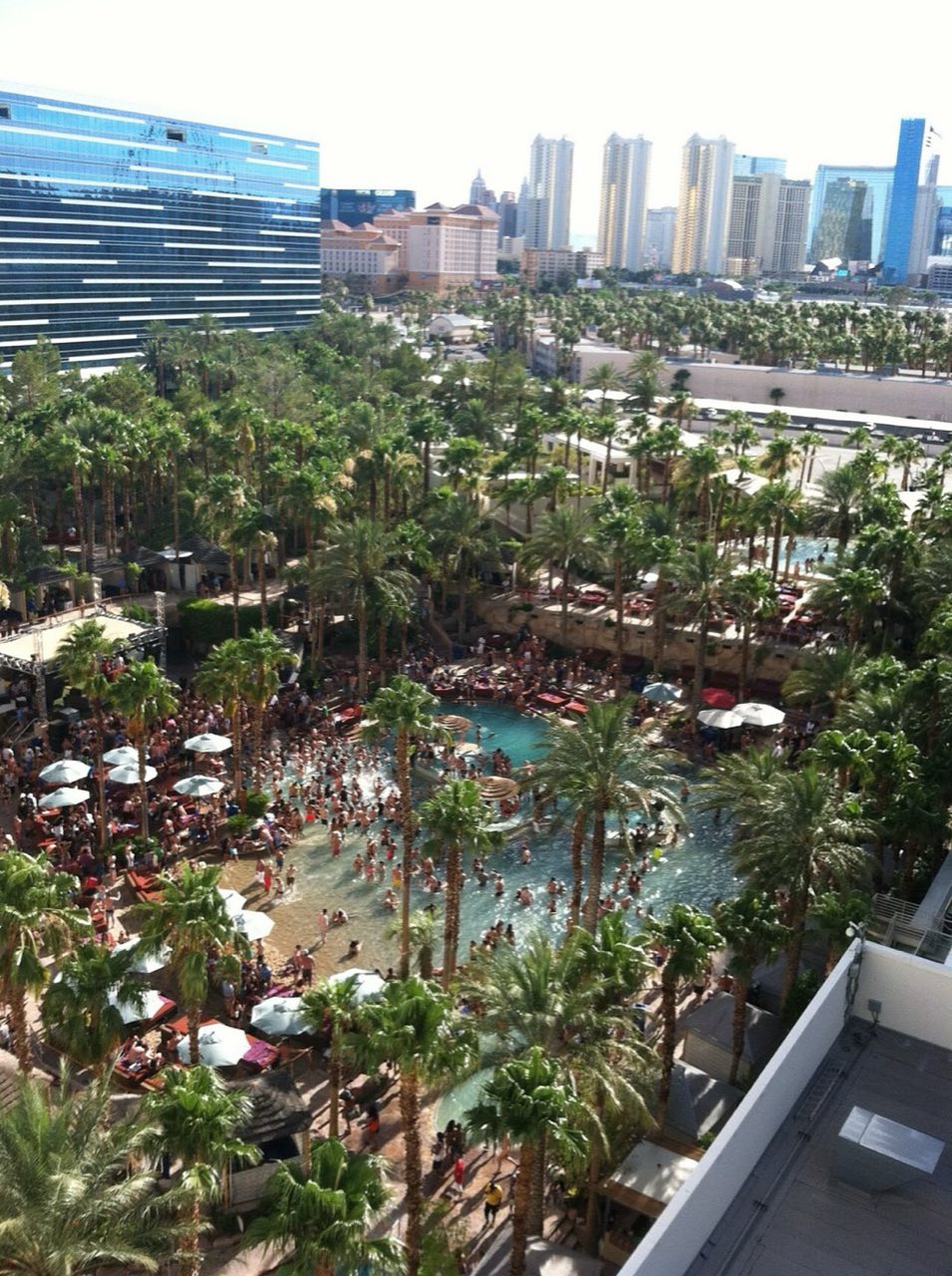
The bird also gave its name to one of the most famous casinos ever built. The Flamingo opened in Las Vegas in December 1946, finished under the gangster Bugsy Siegel, and it helped invent the Strip resort, with a casino floor surrounded by gardens, a showroom and a pool where guests could lounge between sessions at the tables. Neon pink flamingo signs have glowed on the Strip ever since, and the resort still keeps live flamingos in its garden habitat. If the flamingo float has a spiritual home, it is probably here, beside a casino pool in the desert. Read more in our flamingo float guide and our round-up of the best casino resort pools.
The unicorn joins the party
Unicorns took a different route. Rainbow-and-unicorn imagery surged through fashion, food and toys in the mid-2010s, from unicorn-coloured lattes to glitter make-up. Float makers followed, and by around 2016 the giant inflatable unicorn was the float of the summer, joined quickly by swans, pizza slices, donuts, avocados and Pegasus-style winged unicorns. The original Floatys shop, set up in that era, listed dozens of unicorn designs alone.
Why giant floats exploded
- Photogenic shapes. A pink bird or rainbow unicorn on blue water is designed to be photographed from above.
- Cheap manufacturing. Printed PVC made large novelty shapes affordable for the first time.
- Resort and dayclub culture. Las Vegas dayclubs and Mediterranean beach clubs filled their pools with giant floats as part of the show; see Las Vegas pool parties and dayclubs.
- Grown-ups claimed floats back. Floats stopped being only for children and became adult party props.
Where the trend goes next
Giant floats have settled into a summer staple rather than a fad. Buyers increasingly look for thicker vinyl, repairable designs and longer life, and some resorts now restrict outside inflatables because there are simply too many of them. Whatever comes next, the flamingo has outlasted every trend for nearly 70 years, which suggests it is the safest bet in the pool.
Want the look? Start with our float-by-float guides: unicorns, flamingos, swans and donuts and food floats.