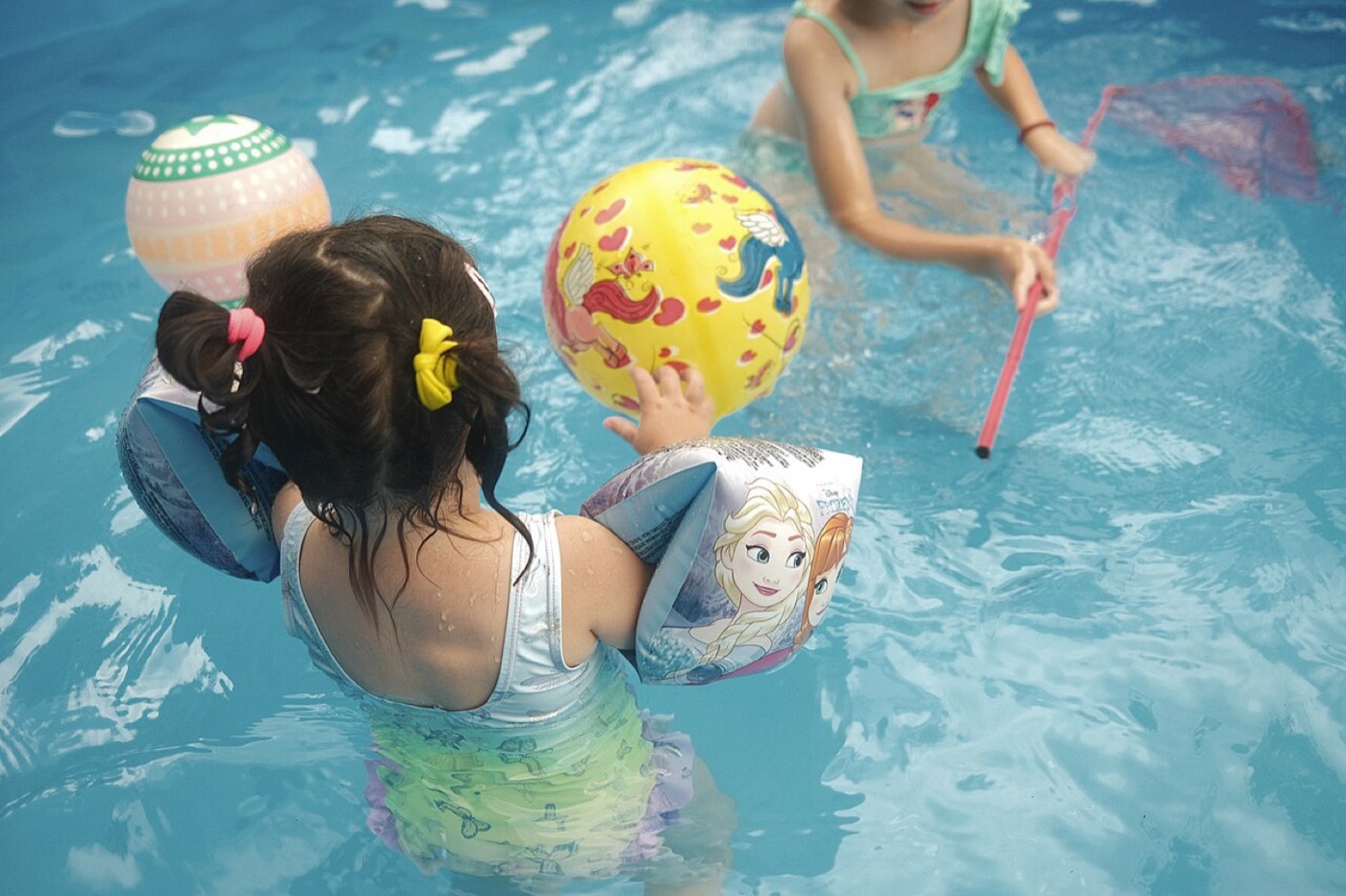
On hot days, a dip is the perfect way to cool down with your children. A permanent pool is expensive, and trips to the public pool are not always practical, so an inflatable kiddie pool brings the fun home. This guide was first published on this site in 2020; we have rewritten it without product listings and with extra safety advice.
What to look for
- Material. Most kiddie pools today are soft inflatable vinyl rather than the hard plastic shells of the past. Hard plastic lasts longer; soft vinyl is comfier and folds away. Either way, pick something sturdy enough to last a few summers.
- Depth. For toddlers choose shallow pools or splash pads. Babies and toddlers can drown in very shallow water, so depth is about comfort, not safety: an adult must always be within arm's reach.
- Drains and fittings. Small pools should have a simple drain plug, not suction fittings. Check that there is nothing a child could get trapped against.
- Shade. Built-in canopies are a big plus for little ones; otherwise place the pool in shade or put up an umbrella.
Three kinds of kiddie pool
Tiny tots
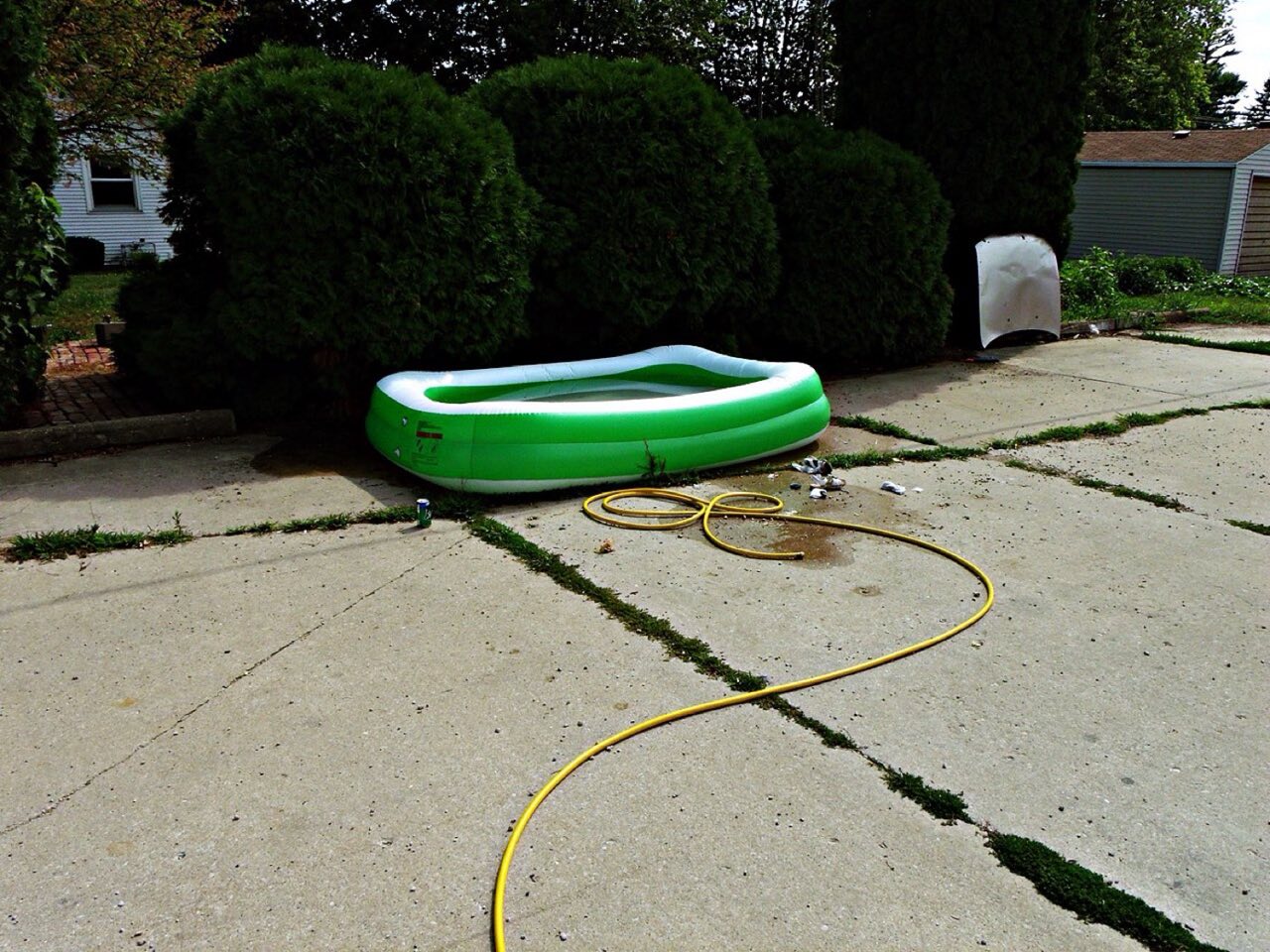
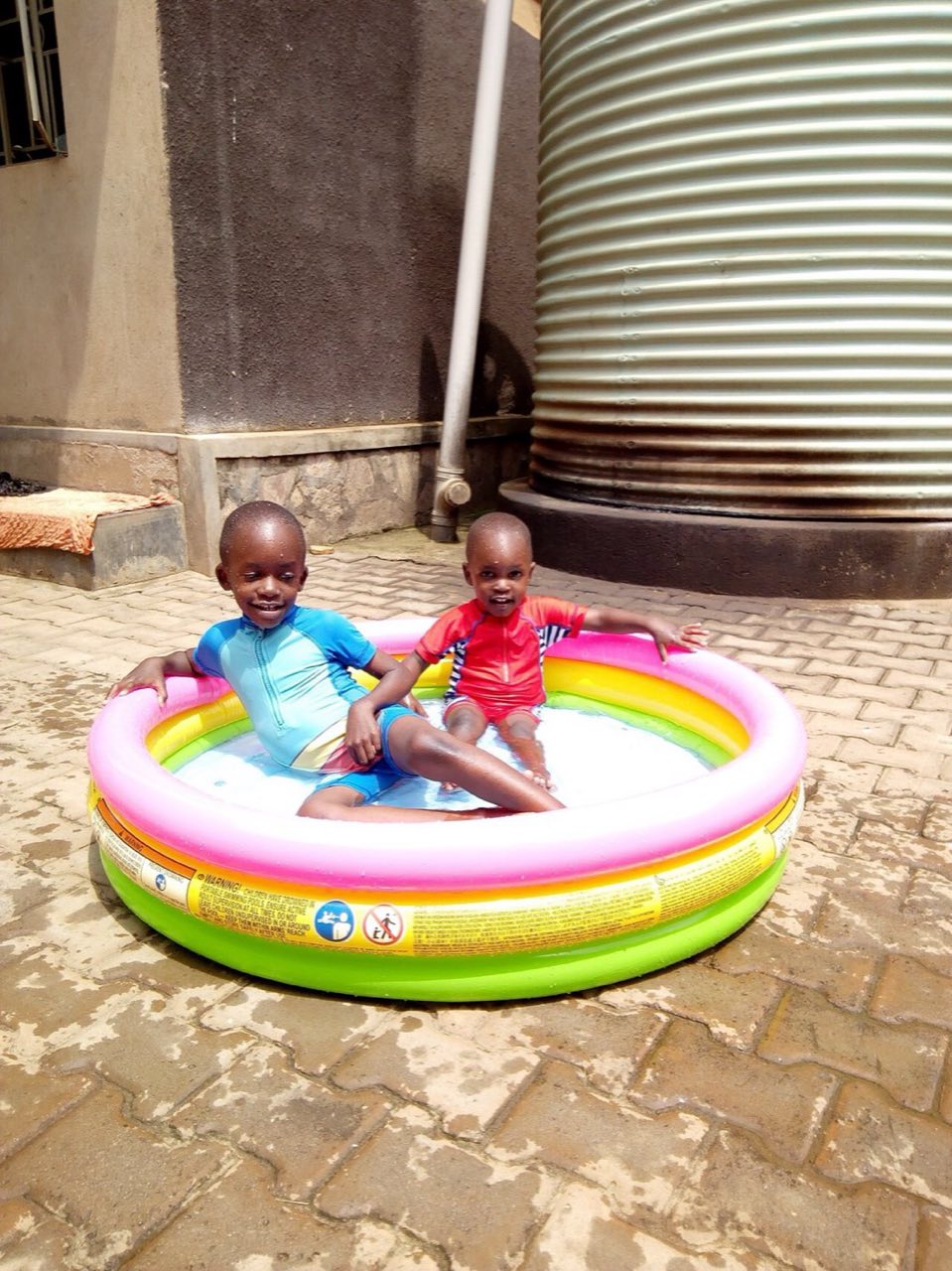
Small, shallow paddling pools, often with a padded inflatable floor and a sunshade, for babies and toddlers. Easy to fill with a garden hose, easy to empty, warms up quickly in the sun.
Mini water parks
Splash pads, sprinkler mats and inflatable play centres with small slides and sprayers. Great for active pre-schoolers and school-age children; most keep water very shallow.
Family-size pools
Larger inflatable or frame pools that adults can sit in too. Deeper water means stricter supervision, and some may count as a "pool" under local rules that require a fence.
Bath and baby floats
Seat-style baby floats are toys, not safety devices. Babies can tip forward or slip through, so keep a hand on them.
Setting up
- Choose a flat, soft spot clear of stones and sharp objects, ideally visible from the house.
- Inflate firmly, but not drum-tight; see how to inflate pool floats.
- Fill with a hose and let the sun take the chill off for younger children.
- Keep towels, sunscreen, hats and drinking water close so you never need to leave.
Keeping it clean
Small pools do not have filters or chlorine. Empty them after every use, rinse, and refill with fresh water next time. This is both hygiene and safety: an empty pool cannot be a drowning hazard. Tip it upside down or store it so it cannot collect rainwater.
Safety checklist
- An adult within arm's reach of babies and toddlers, every second they are in or near the water.
- Empty and turn over the pool after use.
- Sunscreen, hats, shade and drinking water.
- No glass anywhere near the pool.
- Floats and arm floaties are toys, not life jackets.
For the full set of family safety habits, read our pool and water safety basics, and for a birthday plan see the parents' guide to a splashing good pool party.