Inflatable Pool Pumps
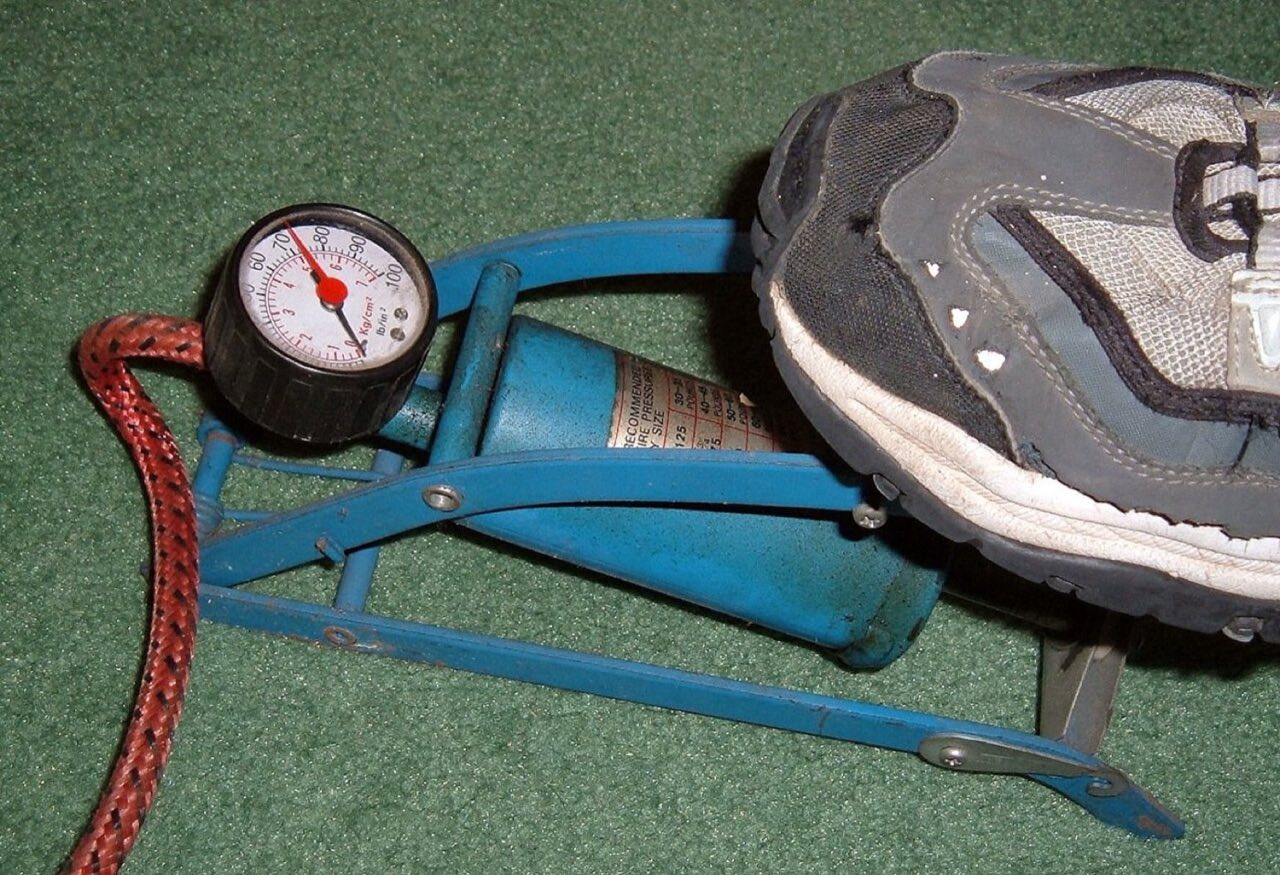
Header photo: A foot pump with a pressure gauge. Photo: Scott Ehardt, Public domain, via Wikimedia Commons.
Inflatable pool pumps were the least glamorous category in the old Floatys shop and probably the most important. The right pump turns a 40-minute, light-headed ordeal into a five-minute job, and inflating correctly is what keeps a float from splitting on its first hot afternoon.
Know your valve
| Valve | Where you find it | How to inflate |
|---|---|---|
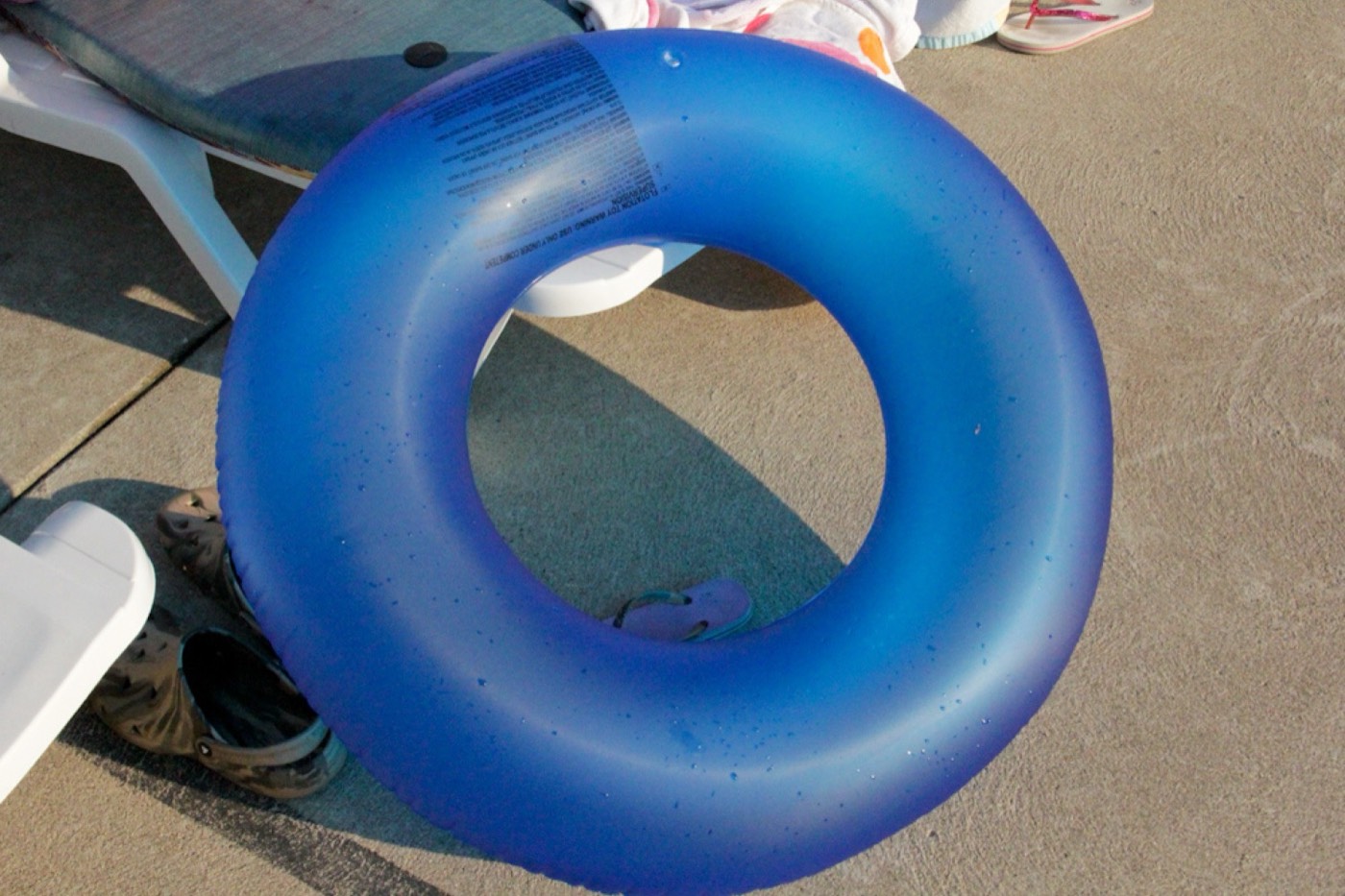
| Pinch or stem valve | Swim rings, beach balls, small floats | Pinch the stem to open it, inflate, push it back in. Small nozzles or lung power. |
| Boston or two-part valve | Loungers, giant floats | Unscrew the outer cap to deflate fast; inflate through the inner one-way flap with a medium nozzle. |
| Rapid or wide valve | Giant floats, islands | Large opening for high-volume electric pumps; deflates in seconds. |
Which pump for which float
- Lung power: fine for beach balls, arm bands and small rings. For anything bigger it is slow, and the moisture you blow in can encourage mould inside the float.
- Hand or foot pump: cheap, needs no power, good for loungers and medium floats. Double-action hand pumps push air on both strokes.
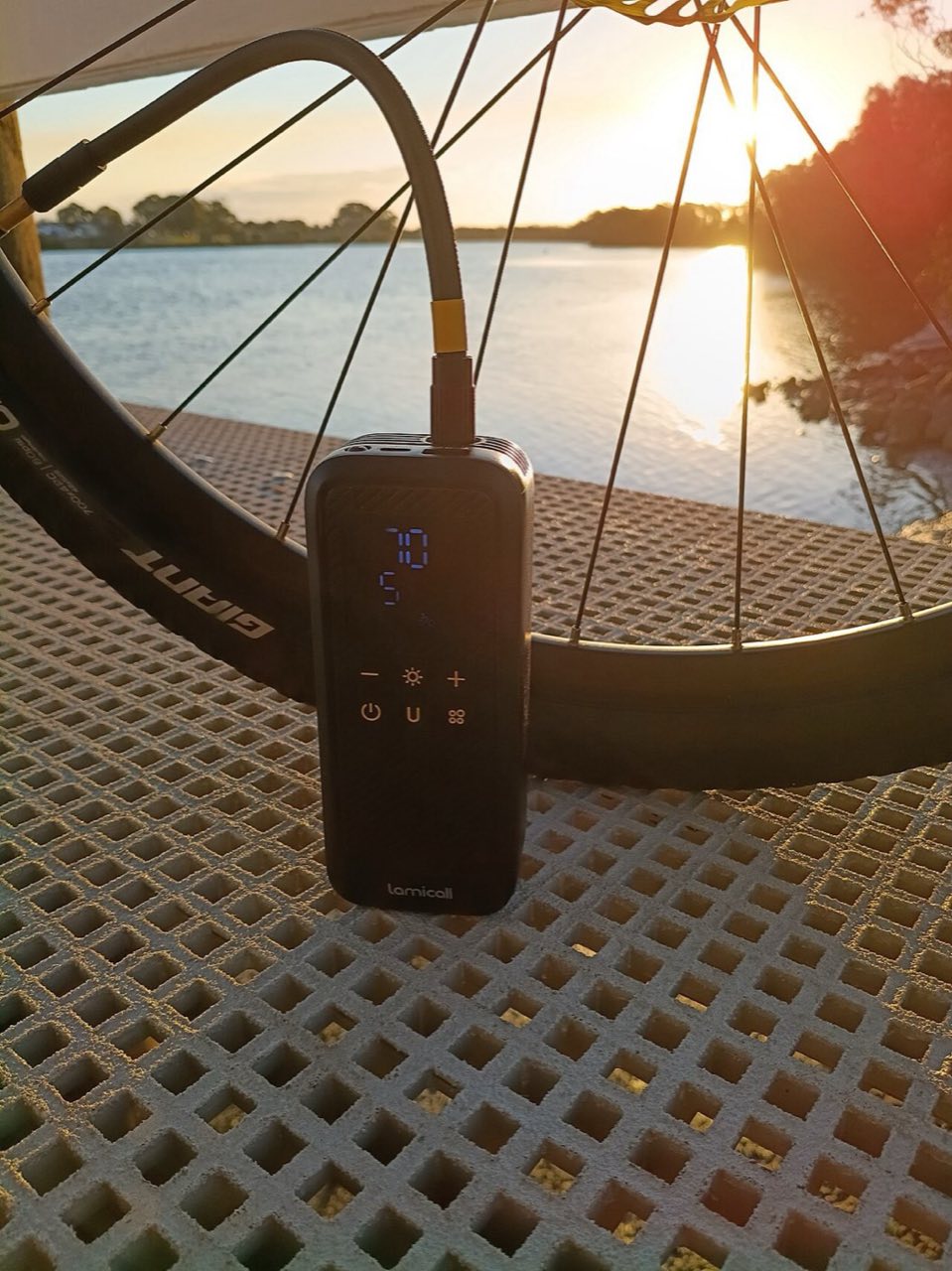
- Electric pump (mains or rechargeable): the only sensible choice for giant unicorns, flamingos and islands. Most come with a set of nozzles to fit different valves.
How firm should a float be?
Pool floats run at very low pressure compared with a bicycle or car tyre, and there is no gauge on most of them, so you inflate by feel. Aim for "firm but with a little give": press the surface with your palm and it should dent slightly. A float inflated drum-tight in the cool of the morning can be dangerously overinflated by midday, because air expands as it warms in the sun, and the extra pressure goes straight into the seams. On hot days, inflate to about nine-tenths and top up later if needed.
Step by step
- Unroll the float on a clean, smooth surface, away from gravel and thorns.
- Find all valves; giant floats often have two or three chambers.
- Inflate the main body first, then heads, necks and wings.
- Close each valve fully and push the stopper flush.
- Let the float sit for ten minutes in the shade, then check firmness again.
Deflategate: when a few PSI made headlines
Inflation pressure once became one of the biggest sports stories in America. In January 2015, footballs used by the New England Patriots in the AFC Championship Game against the Indianapolis Colts were found to be below the NFL's required range of 12.5 to 13.5 pounds per square inch. The affair, nicknamed Deflategate, ran for more than a year through investigations and court appeals, and quarterback Tom Brady eventually served a four-game suspension at the start of the 2016 season. It was also a betting story: the Patriots won that game 45-7, comfortably covering the spread, and the scandal sparked endless debate on sports-betting talk shows about whether a softer ball could change a result. For floaters the lesson is simpler, since a pool float needs only a small fraction of a football's pressure, but if you follow the NFL preseason or the baseball from your lounger, our guide to summer sports betting by the pool explains point spreads, moneylines and totals.
Deflating and packing away
Open every valve, press out the air gently (an electric pump with a deflate setting helps), and make sure the float is completely dry first. Then follow our float cleaning and storage guide.
Travelling with floats? A compact rechargeable pump is worth its suitcase space. Some resort pools do not allow outside inflatables at all, so check before you go; our casino resort pools guide covers what to expect in Las Vegas.