Unicorn Floats
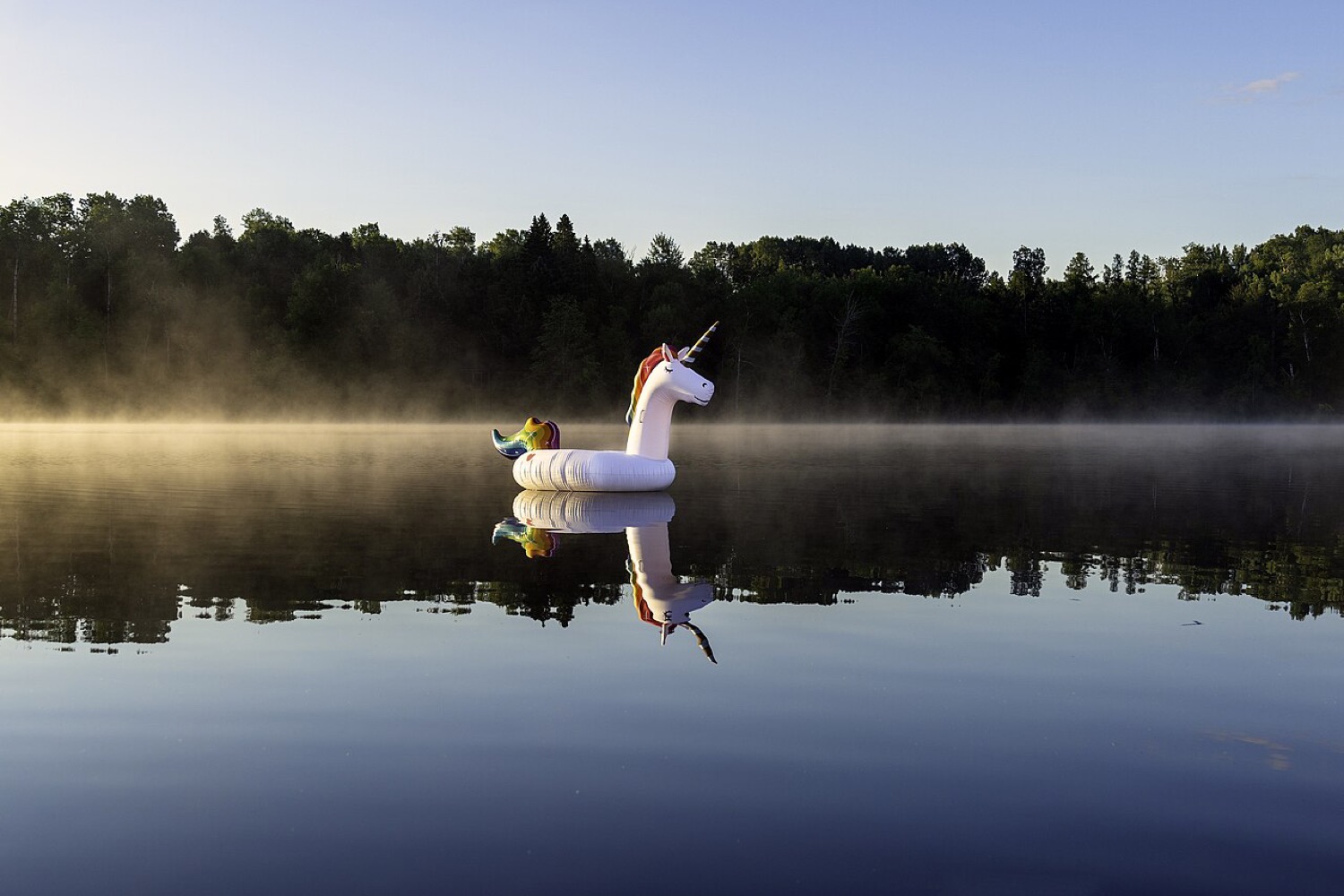
Header photo: An inflatable unicorn float on a misty lake in Minnesota at dawn. Photo: Lorie Shaull, CC BY 2.0, via Wikimedia Commons.
No float says "summer" quite like a giant inflatable unicorn. It is ridiculous, it is photogenic and, if you pick a good one, it is genuinely comfortable. This guide covers what separates a unicorn float that lasts several summers from one that sags by the second weekend.
Unicorn floats were one of the original sections of this site, back when the thefloatys.com domain belonged to a float shop. We no longer sell anything; what follows is independent advice on choosing, using and looking after one.
The main types of unicorn float
| Type | Typical size | Best for | Watch out for |
|---|---|---|---|
| Ride-on giant unicorn | About 2 m long, head and horn up to 1.5 m tall | Sitting astride or lying back across the body | Catches wind easily; tall head makes it tippy |
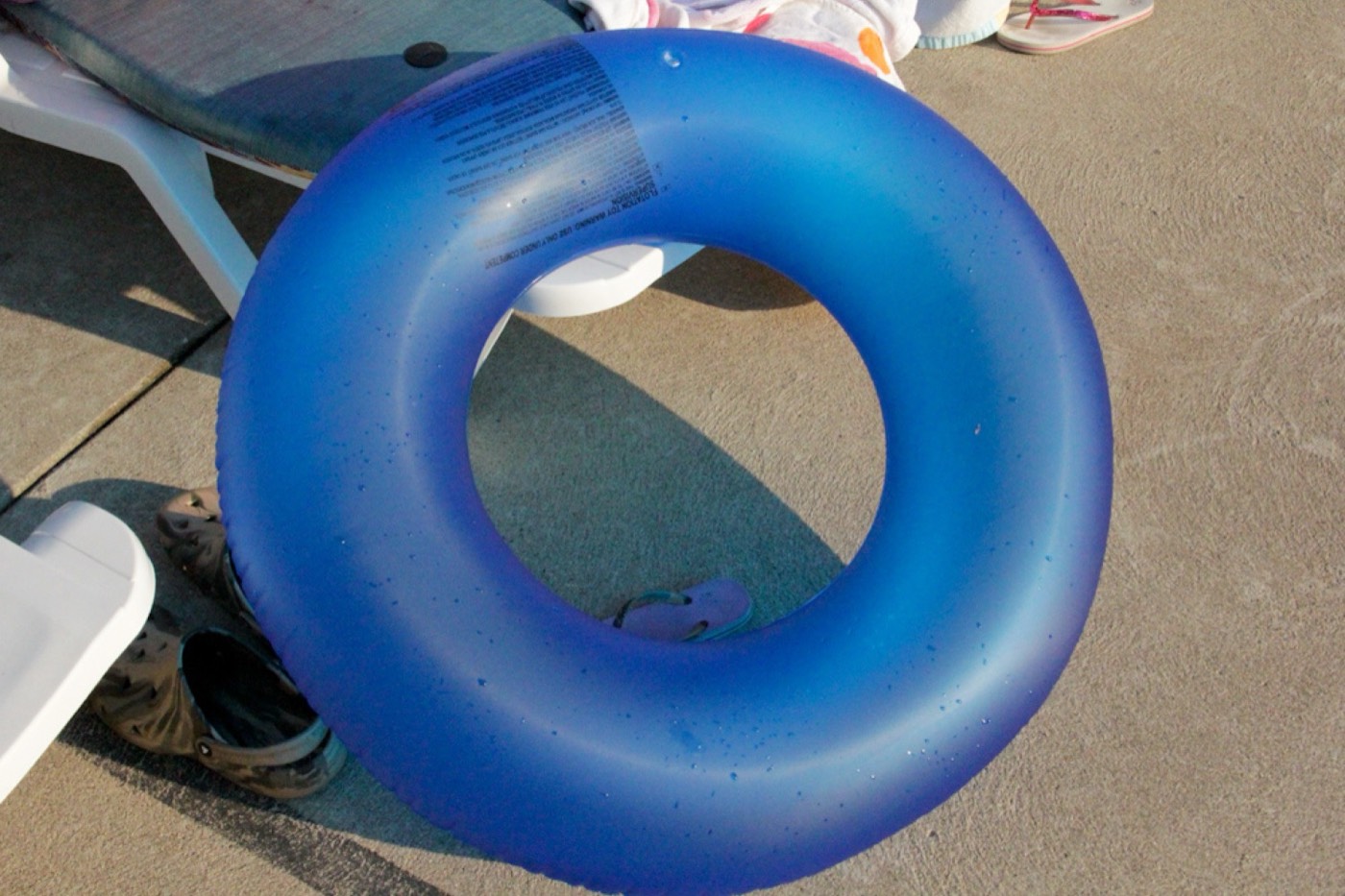
| Unicorn ring | 90-120 cm across | Sitting in the ring with legs over the side | Cheap rings use thin vinyl that splits at the seams |
| Winged or Pegasus unicorn | 2 m plus wingspan | Two adults lounging | More chambers to inflate and more seams to fail |
| Unicorn island | 2.5-4 m | Groups and photos | Needs a big pool and an electric pump |
| Unicorn drink holder | About 20 cm | Keeping a can upright | Blows away the moment you look away |
Five things to check before you choose
- Weight rating. Most giant unicorns carry one or two adults, and the printed limit is the honest guide. A unicorn designed for one person will sit low and fold if two people pile on.
- Vinyl thickness. Thicker PVC feels stiffer when deflated and resists punctures far better. If a float feels like a shower curtain in the box, it will behave like one in the water.
- Valve type. Wide, two-part "rapid" valves inflate and deflate in a fraction of the time of small pinch valves. Check that the valve has a one-way flap so air does not rush out while you pump.
- Number of chambers. Separate chambers for the body, neck and wings mean a single puncture will not sink the whole beast, but they take longer to fill.
- Handles. Built-in handles let you climb on without rolling over and give anyone in the water something to hold.
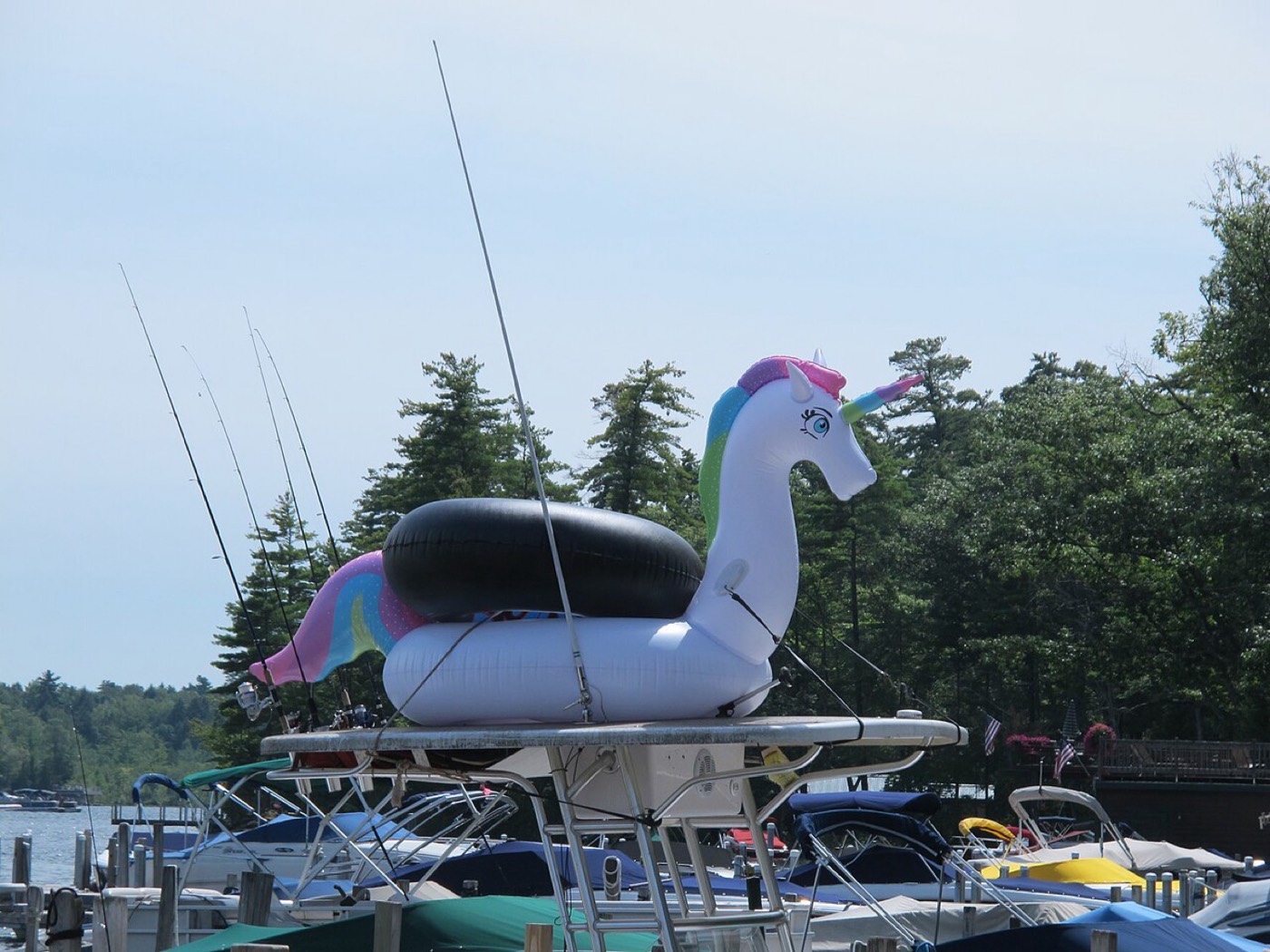
Glitter, pastel or rainbow?
Designs fall into three broad families. Pastel and white unicorns with a gold horn are the classic look and fade the least obviously in the sun. Glitter unicorns have flakes sealed inside a clear outer layer; they photograph beautifully but the extra layer adds weight and the seams take more strain. Rainbow and holographic unicorns are the most dramatic and the quickest to show sun damage, because bright inks lose their punch under strong UV. Whatever you pick, rinse it after use and keep it out of the midday sun when nobody is riding it; our float care guide explains why.
Getting the horn, head and wings right
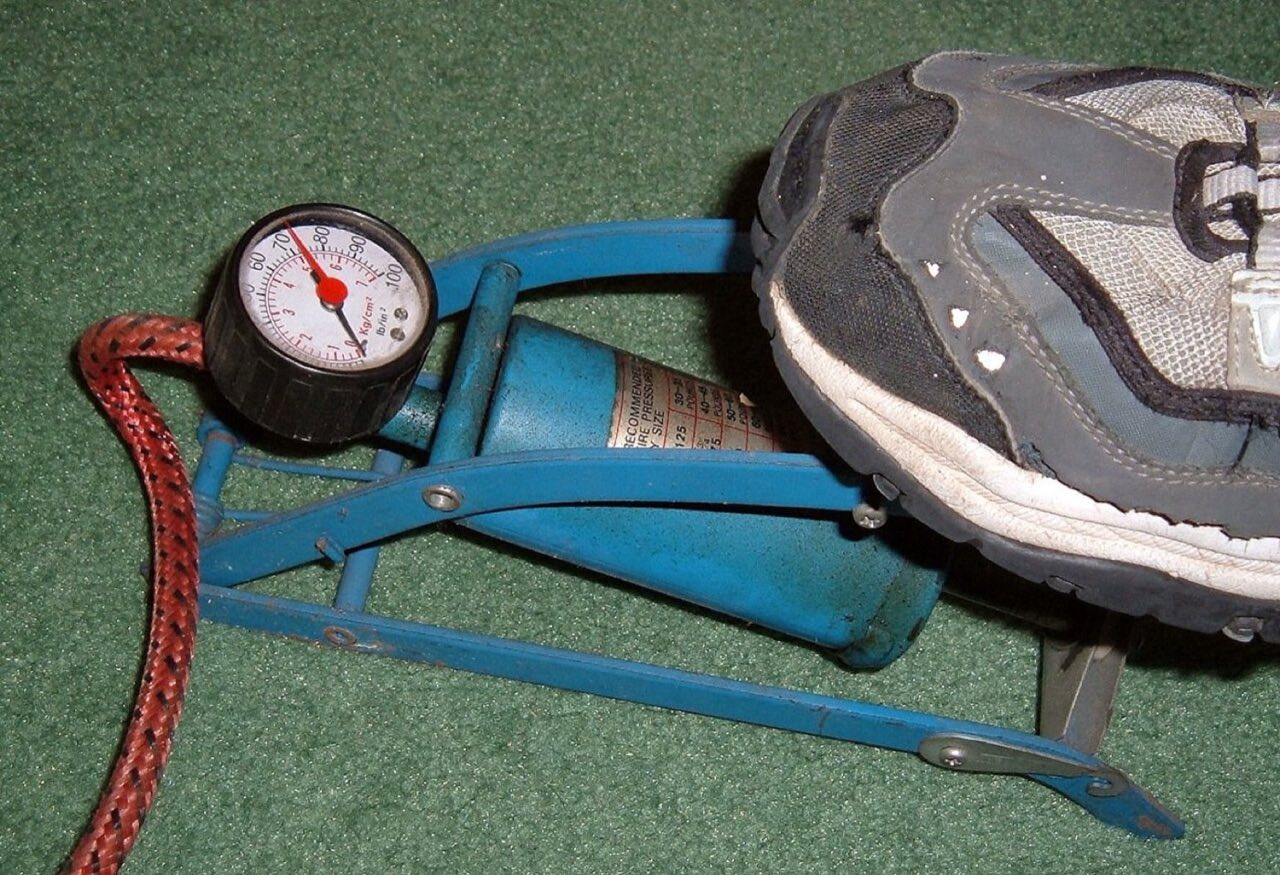
The head and horn are usually a separate chamber, and they are where most first-timers go wrong. Inflate the body first until it is firm but still gives slightly when pressed, then the head. Over-filling the head on a hot day is a common cause of split seams, because air expands as it warms. A hand or electric pump makes the job much easier than lung power; see how to inflate pool floats for which pump suits which float.
Riding a unicorn without falling off
- Climb on from the side, not the tail, holding both handles, and keep your weight low.
- Sit slightly behind the neck, not on top of it; the head is buoyant but not a seat.
- For lounging, lie back across the body with your knees over one side.
- Two riders should sit back to back or one behind the other, never both on the same side.
Where unicorns are welcome, and where they are not
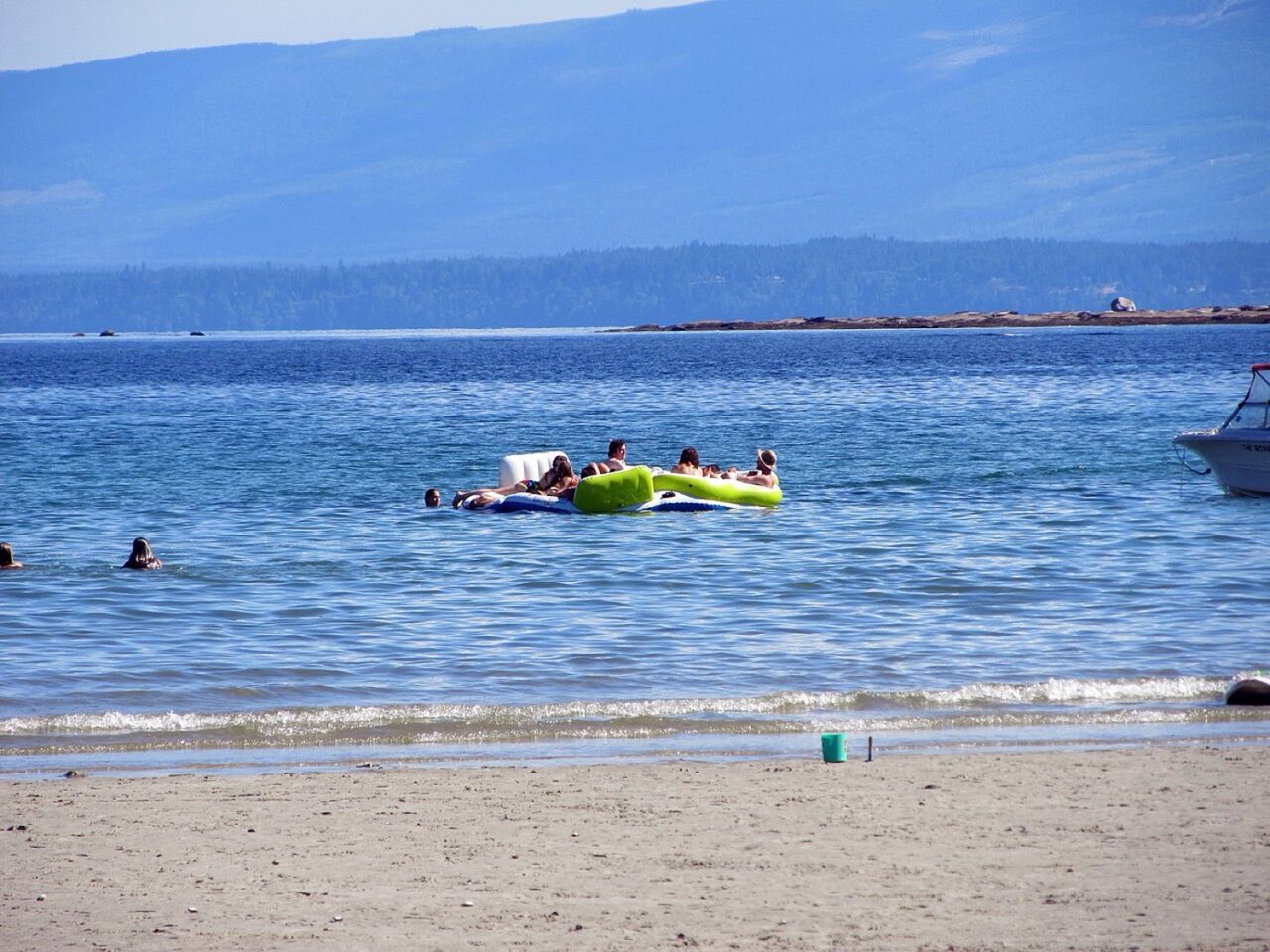
Home pools and calm, sheltered lakes are ideal. The sea is a different matter: giant inflatables act like sails, and lifeguard services regularly warn that an offshore breeze can carry a float, and the person on it, out to sea in minutes. If you take a unicorn to the beach, keep it in the shallows, tie it to nothing that could drag you, and never let a weak swimmer ride it alone. A float is a toy, not a life-saving device; our pool and water safety basics covers the rules that matter.
Unicorns at the casino pool: what resorts allow
The giant-float craze of the mid-2010s owed a lot to resort pools, and the Las Vegas Strip in particular. At the big dayclubs, oversized unicorns, swans and flamingos became part of the scenery, floating between DJ booths and cabanas in photos shared around the world. That has a practical side for travellers: many casino resort pools do not let guests bring their own large inflatables, citing crowding and safety, while some supply or rent loungers and floats themselves, often bundled with a daybed or cabana. Rules vary from resort to resort and from season to season, so check the pool policy before you pack a deflated unicorn in your suitcase. Our guides to Las Vegas pool parties and dayclubs and the best casino resort pools cover what each kind of pool is like and how the cabana-and-float side of the business works.
Quick test in the shop or on delivery: inflate the unicorn fully the day it arrives, leave it overnight and press it in the morning. A float that has gone soft without a visible hole usually has a seam or valve fault, and that is the time to return it.
Looking for something with a little more attitude? The flamingo float guide covers the pool's other icon, and our history of the float trend explains how both birds and unicorns ended up in every pool on social media.