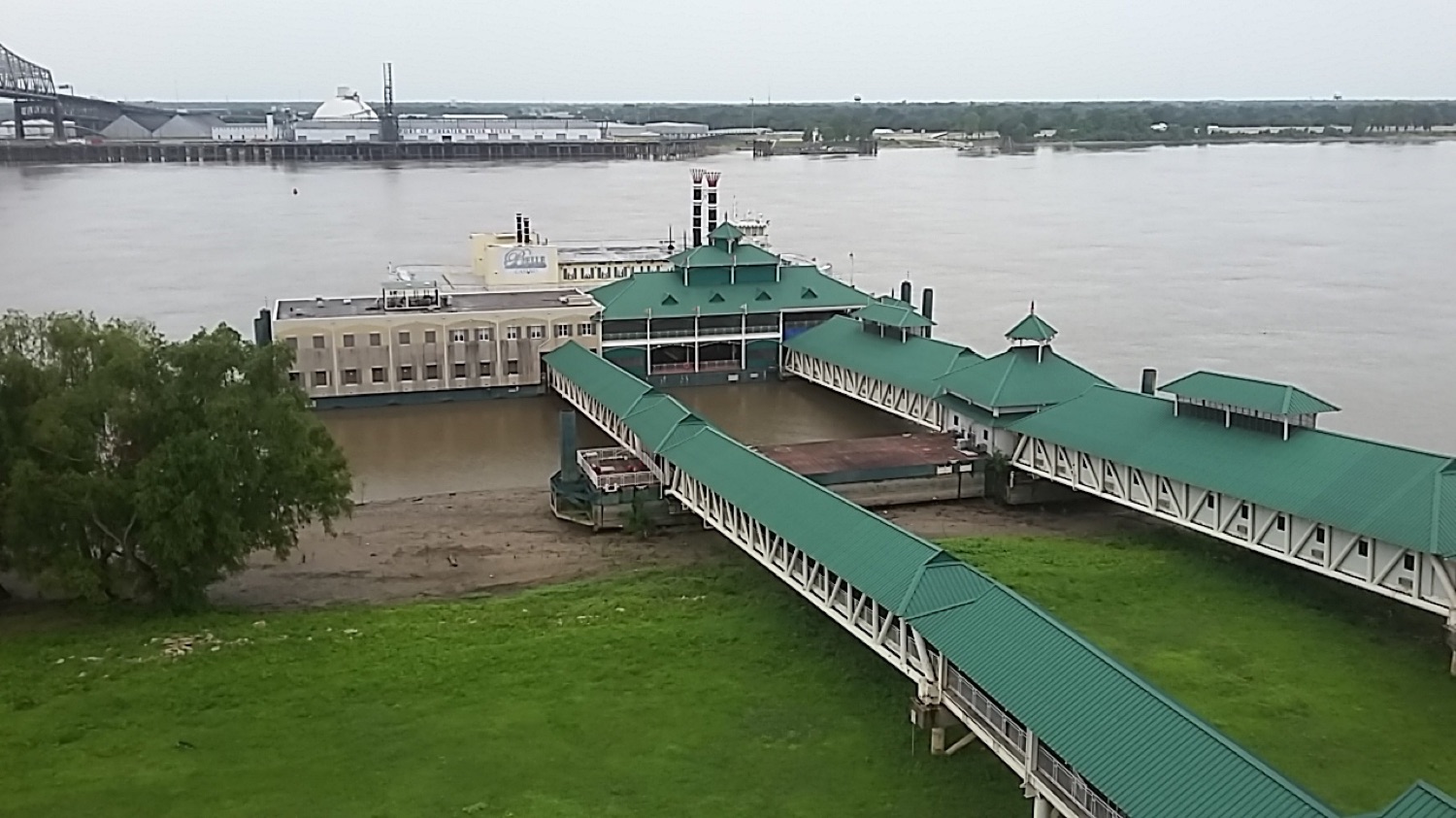
Long before swim-up blackjack, Americans were gambling on the water. The story runs from card sharps on Mississippi steamboats to gambling ships anchored off California and the riverboat casinos that relaunched in Iowa in 1991. Here is how gambling learned to float.
Steamboats and card sharps
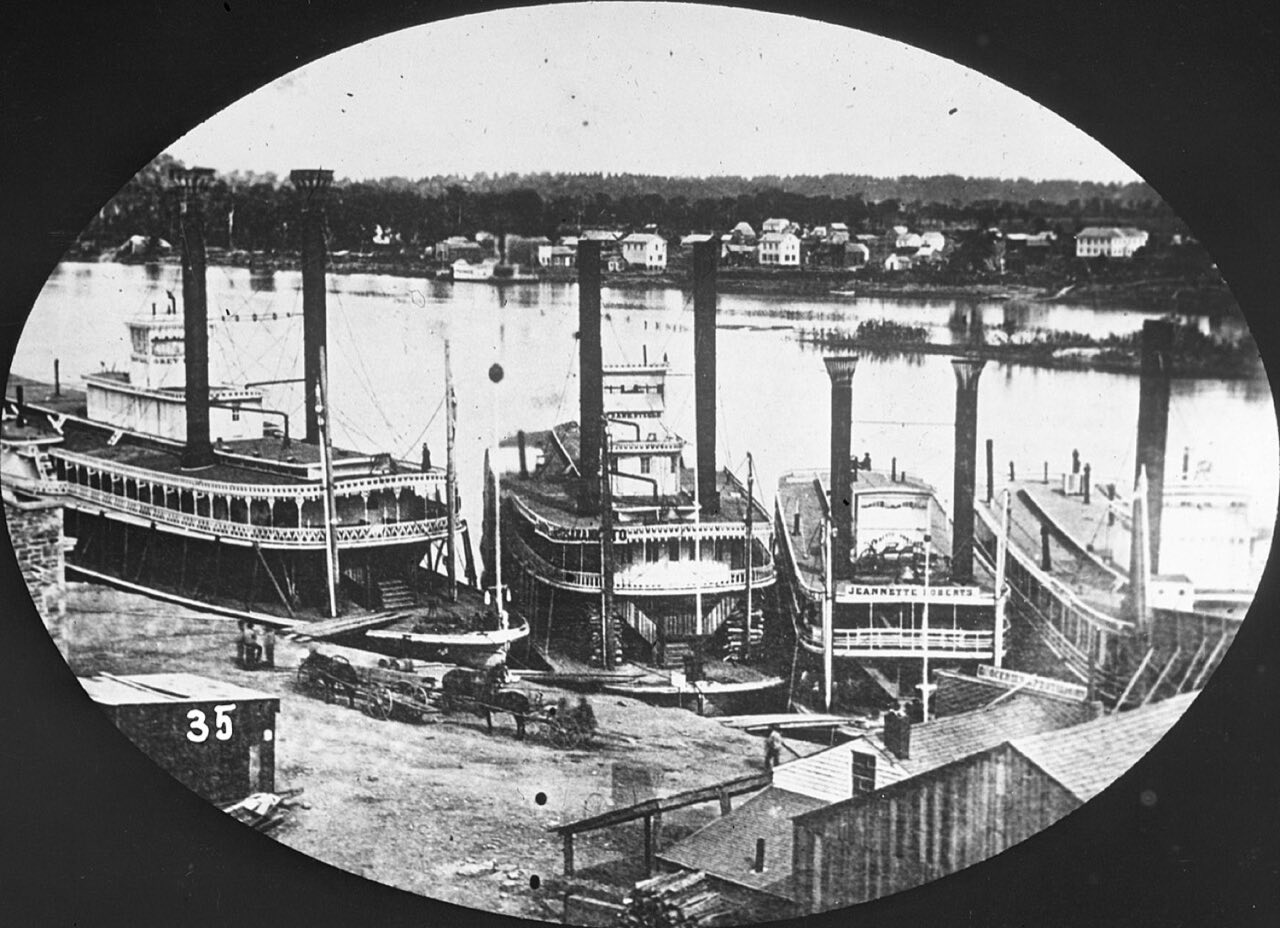
From the early 1800s, steamboats carried passengers, cotton and cash up and down the Mississippi and its tributaries. Long trips, wealthy travellers and loose law enforcement made them perfect for gambling, and professional gamblers worked the boats playing faro, early forms of poker and confidence games such as three-card monte. Historians often credit the river trade, with New Orleans at its heart, for helping to spread poker across the country. The most famous riverboat gambler, George Devol, later wrote a colourful memoir, Forty Years a Gambler on the Mississippi, published in 1887, which mixes real history with plenty of tall tales.
The life could be dangerous. In 1835 residents of Vicksburg, Mississippi, turned on the town's gamblers and hanged five of them, an episode that pushed many professionals onto the boats. Railways, the Civil War and changing laws gradually ended the golden age of the riverboat gambler.
Gambling ships offshore
In the 1930s, entrepreneurs found another loophole: anchor a ship beyond the limit of state waters and run a casino on board. The best known was the SS Rex, run by Tony Cornero off Santa Monica, California, with water taxis ferrying players out from the pier. In 1939 California authorities moved against the gambling ships in a stand-off the press called the Battle of Santa Monica Bay, and the offshore casinos were shut down.
The riverboat revival
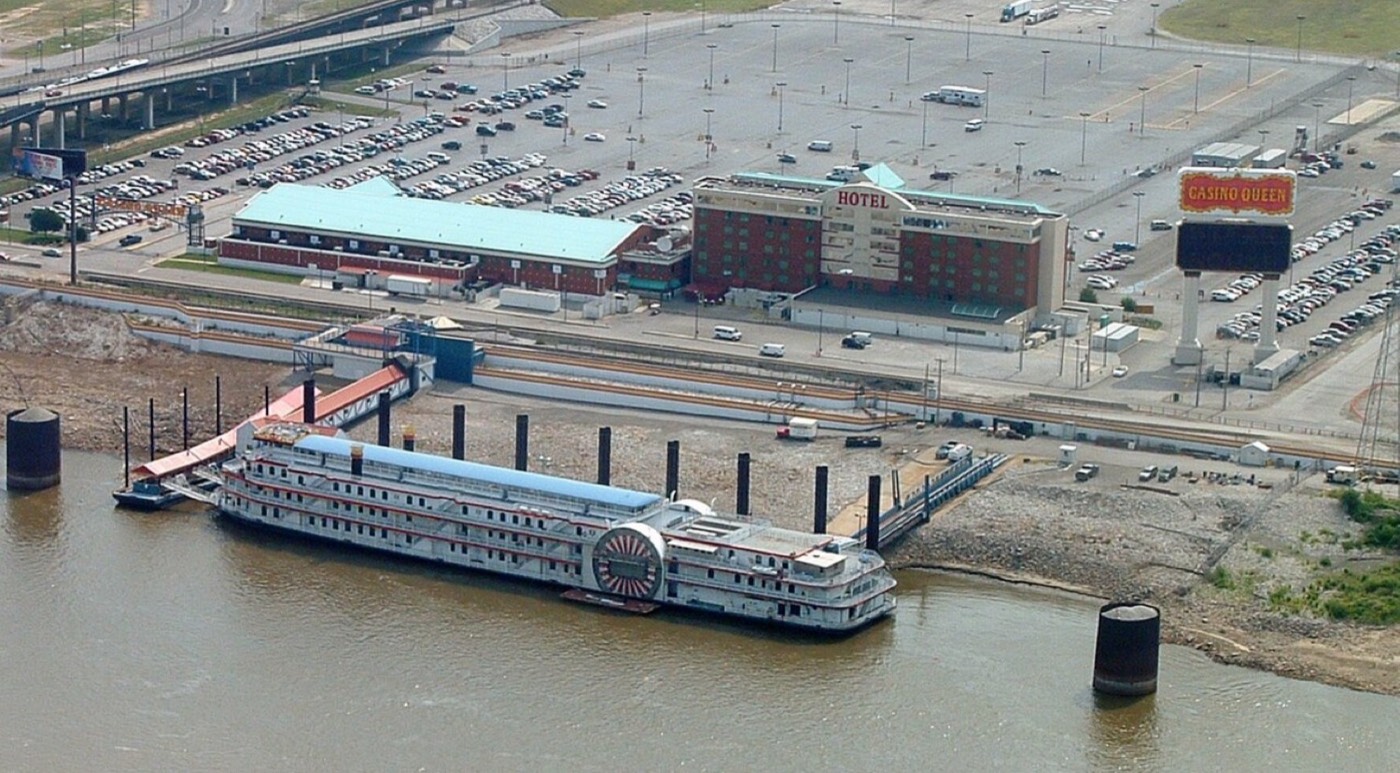
Riverboat gambling came back as economic policy. Iowa legalised it in 1989, and on 1 April 1991 the first new riverboat casinos set sail from Mississippi River towns including Davenport, Bettendorf and Dubuque. Early Iowa rules were strict: boats had to cruise, bets were capped at $5 and passengers could lose no more than $200 per excursion. Neighbouring states went further. Illinois authorised riverboats in 1990 and its first boat opened in 1991; Mississippi allowed dockside casinos without such limits, and casinos opened on its Gulf Coast and along the river from 1992; Louisiana, Missouri and Indiana followed in the early 1990s.
| State | Riverboat gambling authorised | Notes |
|---|---|---|
| Iowa | 1989 (first boats 1991) | Bet and loss limits at first; limits lifted in 1994 |
| Illinois | 1990 | Boats later allowed to stay dockside |
| Mississippi | 1990 | Dockside casinos; land-based building near the shore allowed after Hurricane Katrina |
| Louisiana | 1991 | Riverboats on rivers and lakes |
| Missouri, Indiana | Early 1990s | Many boats later replaced by barges or land buildings |
From boats to "boats"
Competition between states soon eroded the rules. Cruising requirements and betting limits were dropped, and many riverboats never left the dock. Some casinos now sit on permanently moored barges or in water-filled basins, legally "boats" but in practice buildings. After Hurricane Katrina devastated the Mississippi coast in 2005, the state allowed casinos to rebuild on land close to the shoreline. A few historic vessels survive: Davenport's President, an old excursion steamboat that served as one of Iowa's first 1991 casinos, was later replaced by a land-based casino.
Gambling still afloat
Today the floating casino lives on mainly at sea. Cruise ships open their casinos once they are in international waters, and day "cruises to nowhere" have run gambling trips out of several US ports. Our guide to casino cruise pools and sea days covers what to expect on board, and poolside poker and card games brings the steamboat card table to your own deck, minus the card sharps.