Pools are one of summer's great joys, and a few habits make them far safer. This is a plain-language guide to the essentials, based on guidance from public-health and water-safety organisations such as the US Centers for Disease Control and Prevention (CDC), the American Academy of Pediatrics and national lifesaving bodies.
Why it matters
Drowning is a leading cause of death for young children; in the United States the CDC reports that more children aged one to four die from drowning than from any other cause. It is usually quick and quiet: a child who is struggling rarely splashes or shouts. Most incidents involving toddlers happen at home pools, often during a short lapse in supervision.
1. Active supervision, every time
- Touch supervision for babies, toddlers and weak swimmers: an adult in the water, within arm's reach.
- Designated water watcher at gatherings: one adult whose only job is watching the water, phone away, no alcohol, swapping regularly.
- Never leave a child alone in or near a pool, even for a moment to answer the door. Take the child with you.
2. Barriers around home pools
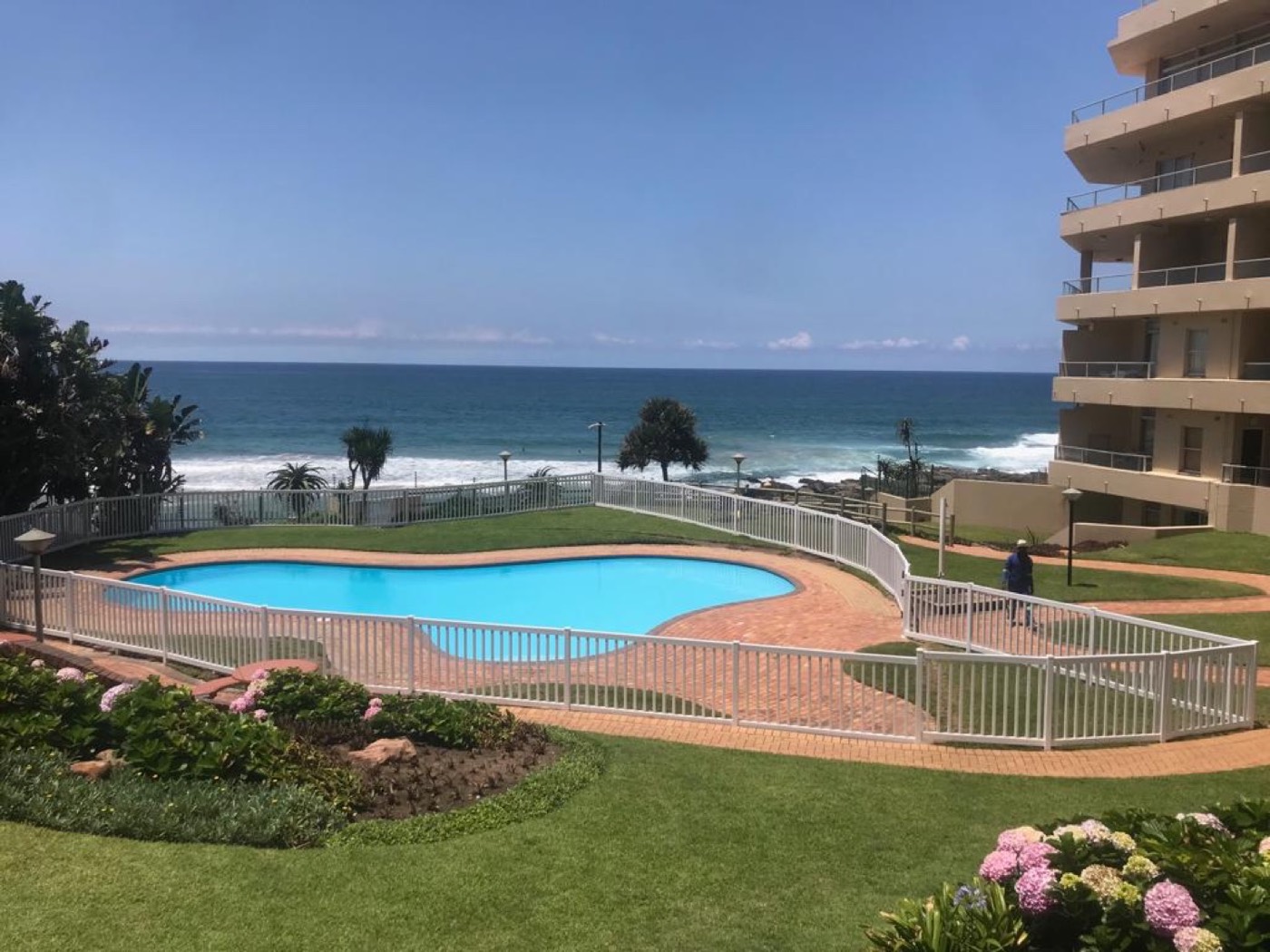
Pool fencing that separates the pool from the house and garden on all four sides is one of the most effective measures. Look for a fence at least four feet (about 1.2 m) high, which is difficult to climb, with a gate that is self-closing and self-latching and opens outwards, away from the pool. Remove chairs or toys that could be used to climb over, and consider door alarms and pool covers as extra layers, not replacements.
3. Swimming lessons
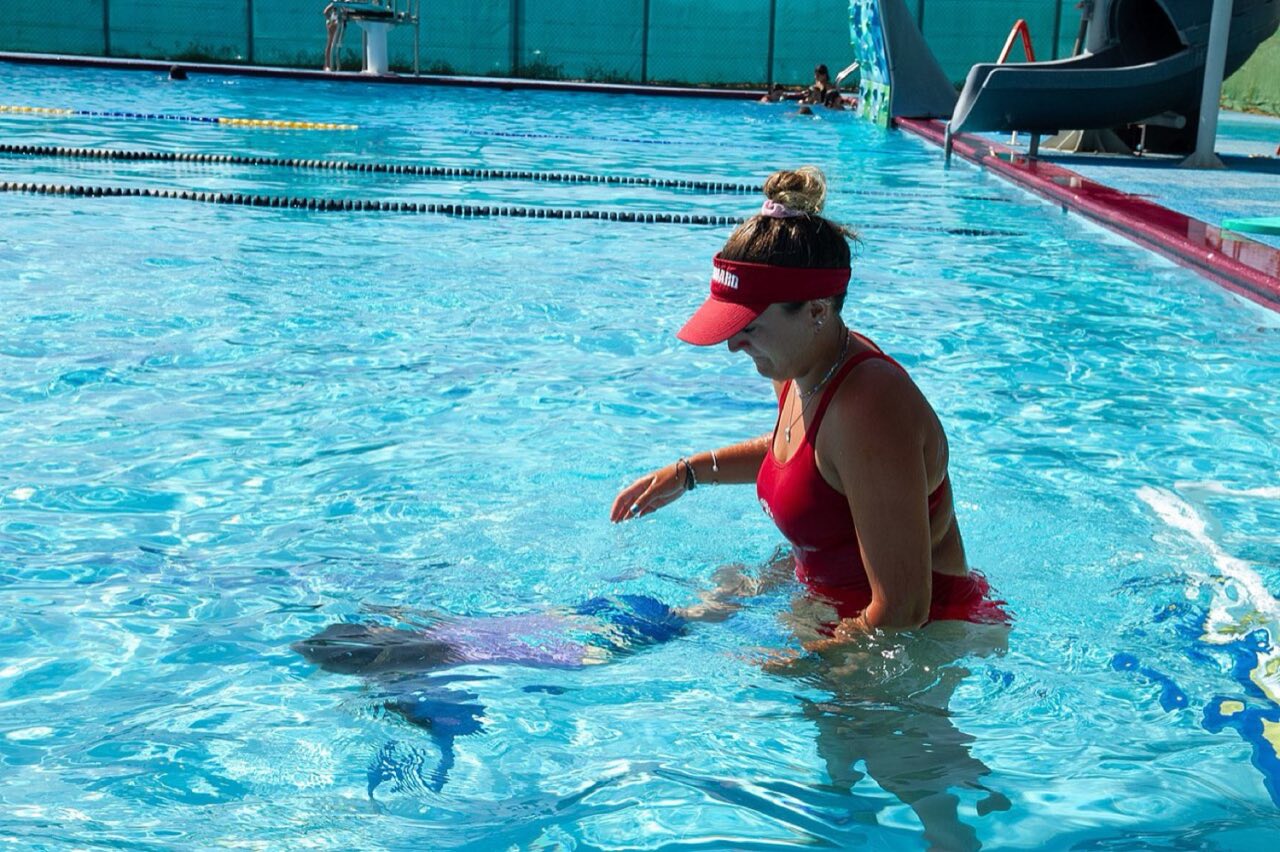
Formal swimming lessons reduce the risk of drowning, and many children can start lessons from around their first birthday, with readiness depending on the child. Lessons are a layer of protection, not a substitute for supervision; even good young swimmers need watching.
4. Floats are toys, life jackets are safety gear
| Item | What it is | Use it for |
|---|---|---|
| Pool floats, rings, arm floaties, noodles | Toys and swimming aids | Fun, with an adult within reach. They can slip off, deflate or tip. |
| Approved life jacket | Safety equipment, fitted to the child's weight | Weak swimmers, open water, boats and docks |
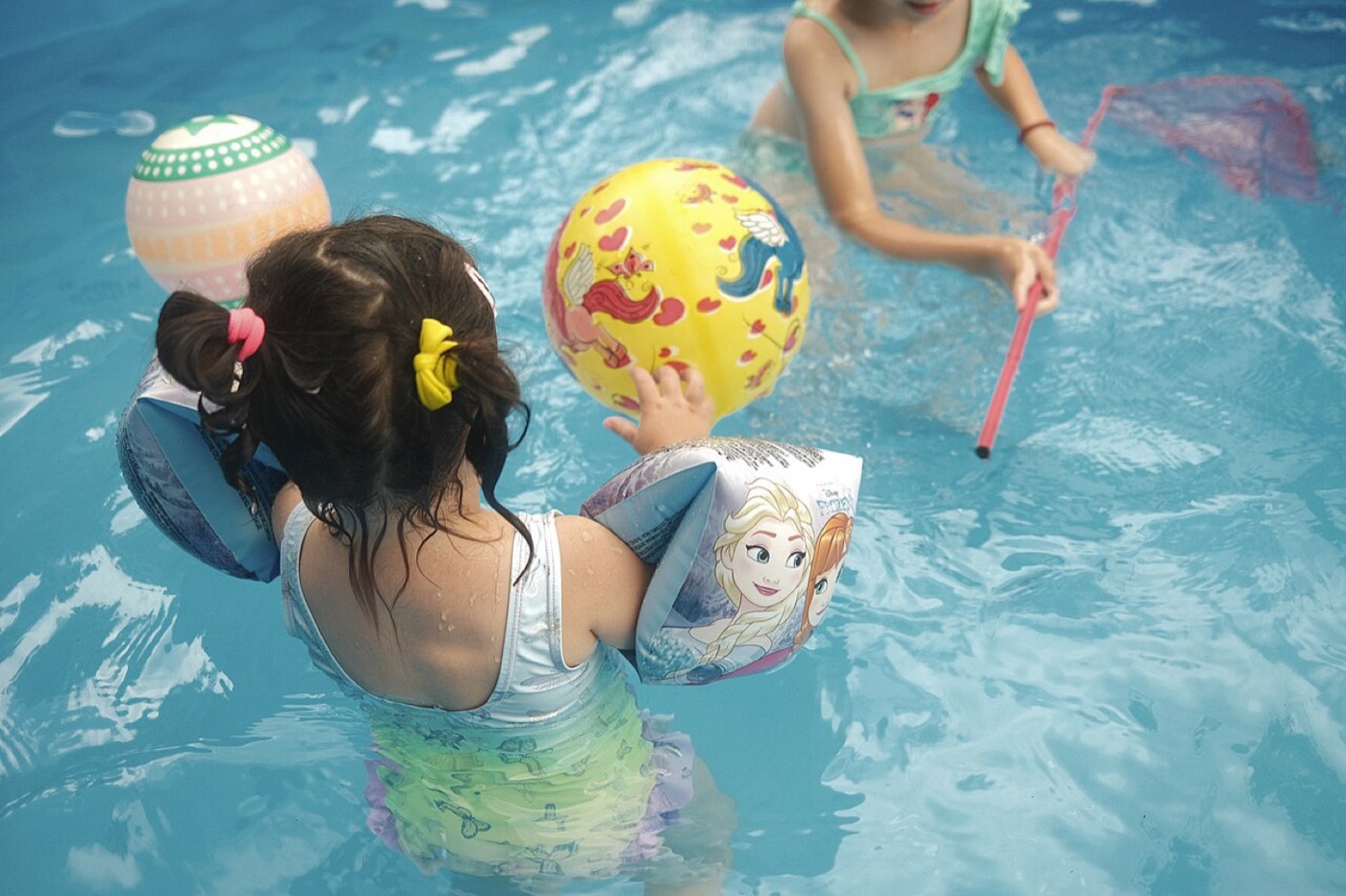
Inflatable arm bands and rings can give children and parents a false sense of security. If a child needs help to float, use a properly fitted, approved life jacket and stay within arm's reach.
5. Kiddie pools and buckets
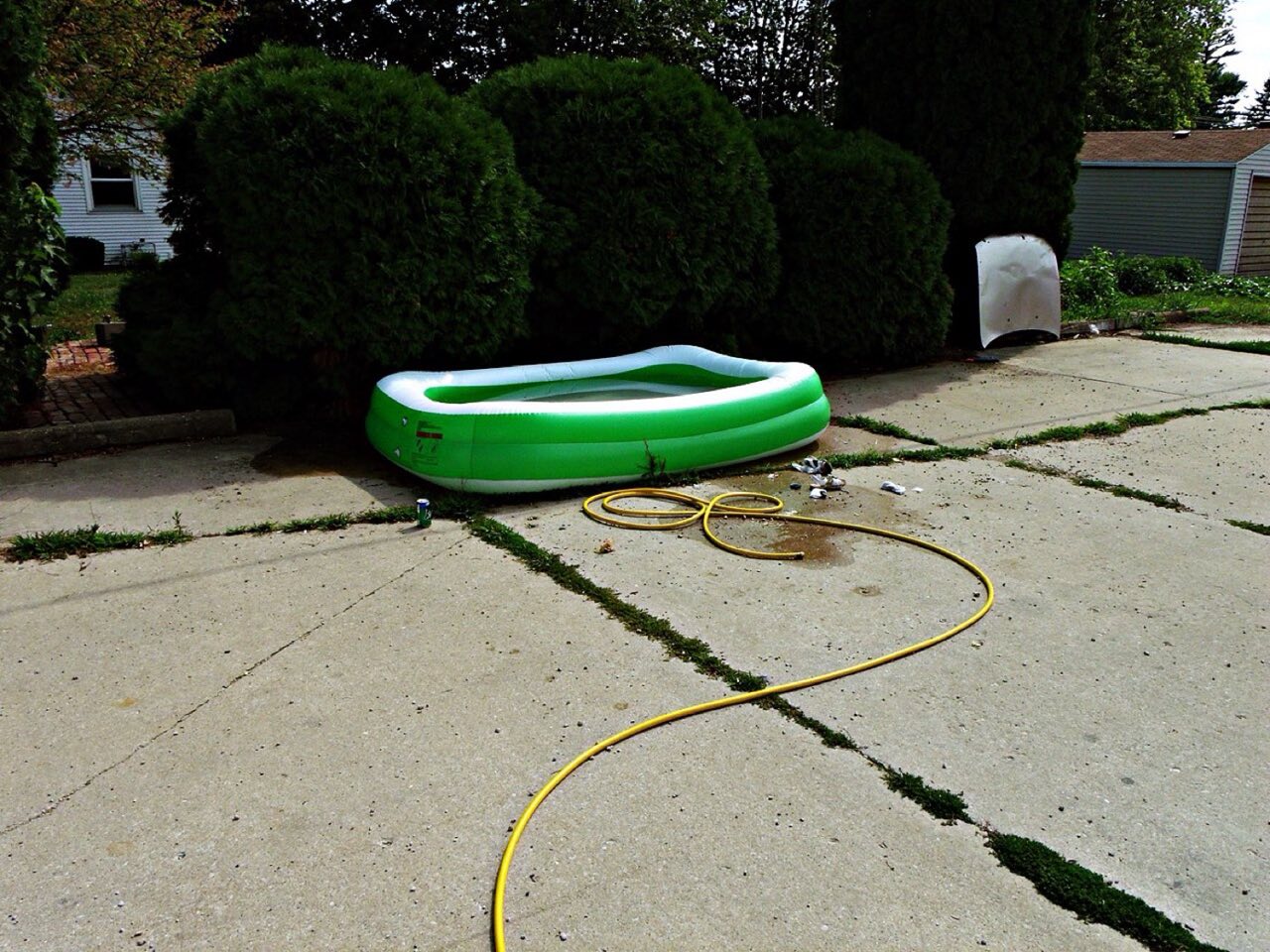
Young children can drown in just a few centimetres of water. Empty paddling pools and turn them upside down after every use, and do not leave buckets or containers of water around. Our guide to the best kids' pools for your backyard covers choosing and setting one up.
6. Drains, diving and rough play
- Teach children to stay away from drains and suction outlets, and make sure your pool has compliant drain covers.
- No diving into shallow water or above-ground pools.
- No pushing, dunking or running on the deck.
7. Learn CPR
Bystander CPR can save a life while emergency services are on the way. Take a course from a recognised provider, keep a phone by the pool for emergencies, and post the emergency number where everyone can see it.
8. Open water is different
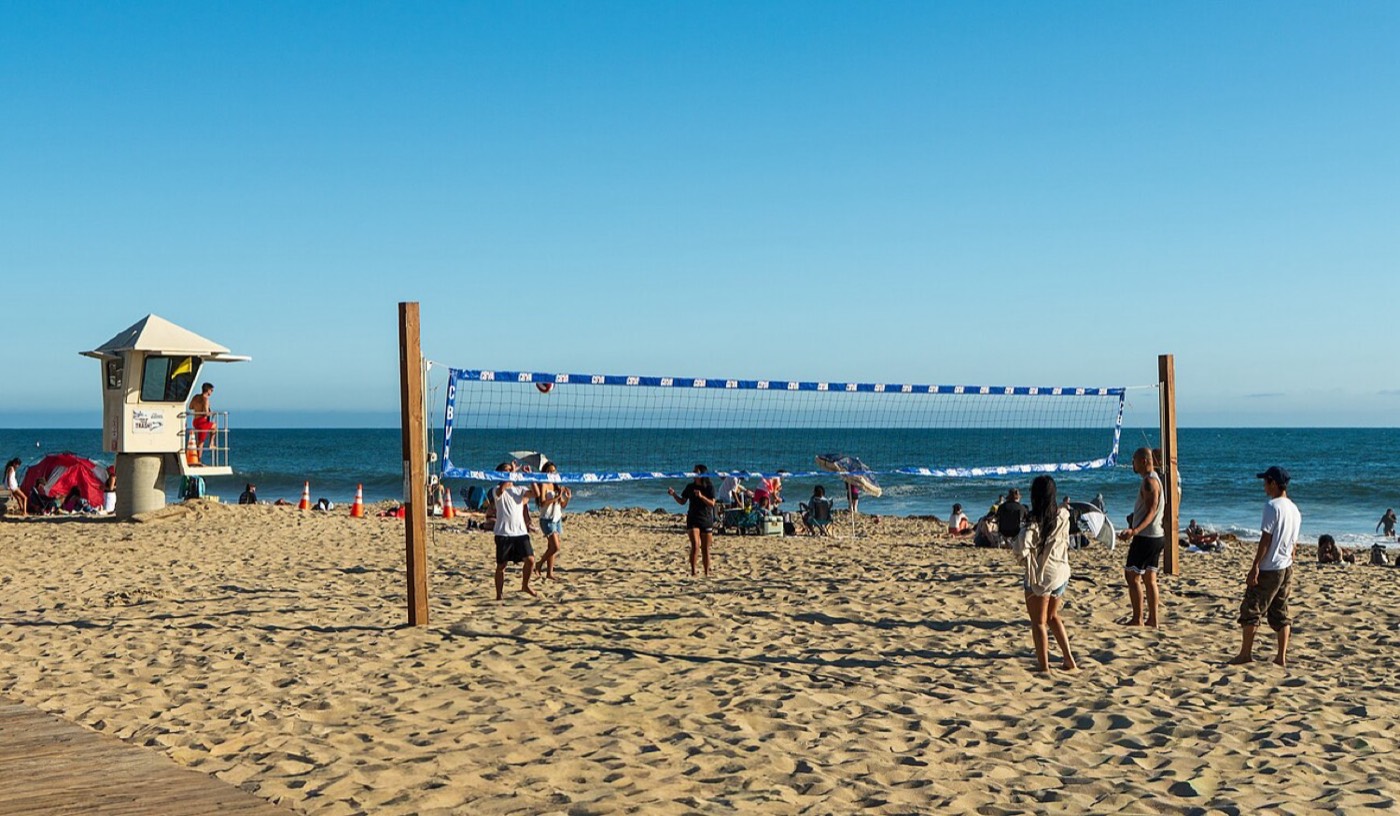
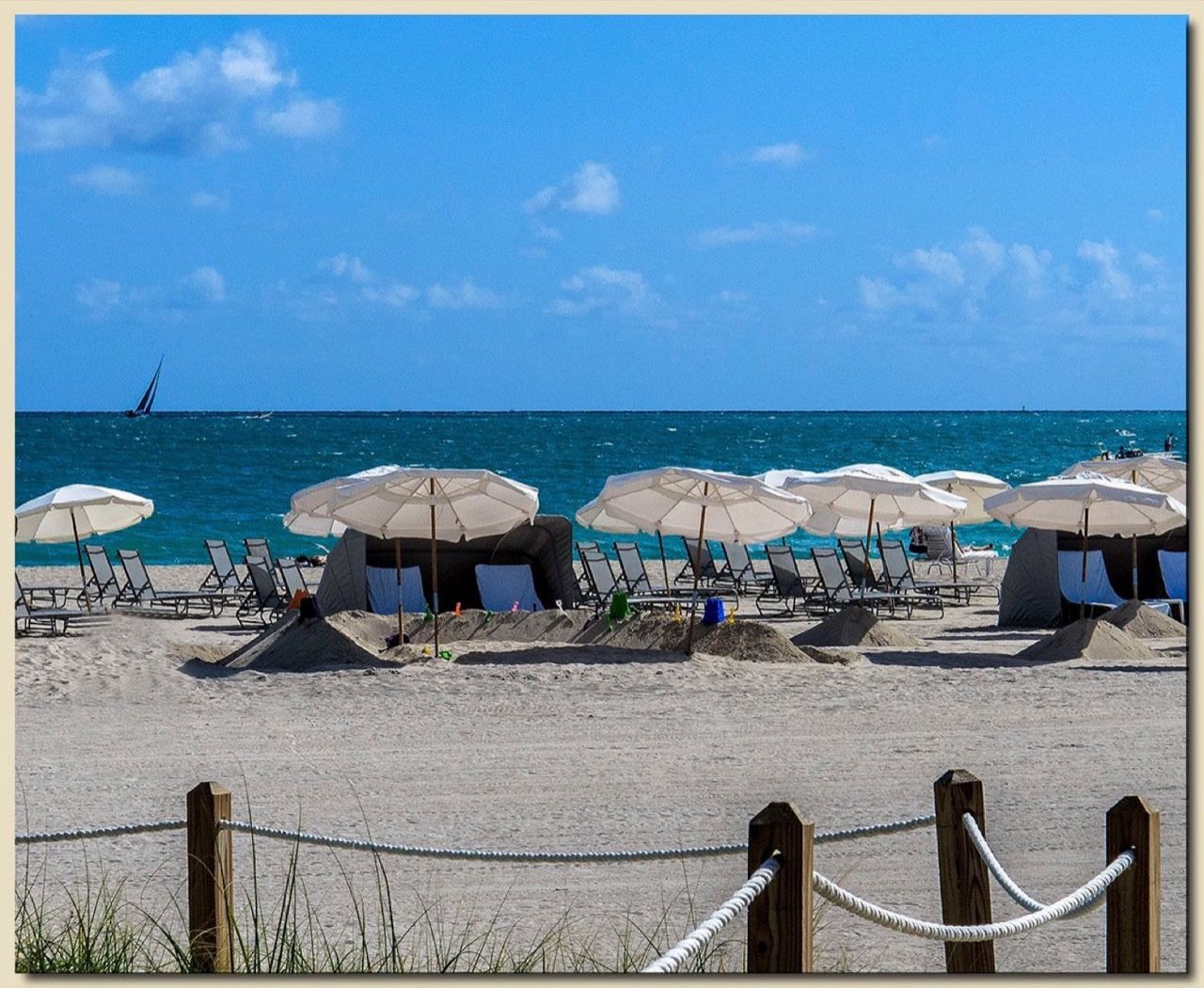
Lakes, rivers and the sea bring currents, cold water, waves and drop-offs. Swim at lifeguarded spots, check conditions and flags, and keep inflatables in the shallows: wind can carry a float, and the child on it, away from shore very quickly.
9. Sun and heat
Pool days are long sun days. Use broad-spectrum, water-resistant sunscreen and reapply after swimming, give children hats and shade breaks, and offer plenty of water. Babies under six months should be kept out of direct sun.
Printable rule card: an adult watching at all times; toddlers within arm's reach; gate shut and latched; floats are toys; empty the kiddie pool after use; phone by the pool for emergencies.
For a children's party plan built around these habits, see the parents' guide to a splashing good pool party.